

.webp)
.webp)
Facelift
Hospital stay: 1-2 nights
Duration of stay: 2 weeks
Recovery Time: 1–3 weeks for initial recovery; full results typically visible in 6–12 months
Facelift in Thailand
A facelift does not change who you are. It restores the version of you that has always been there. When done well, the result is not a different face — it is your face, refreshed and rested.
Many clients who come to us have been thinking about this for a long time. By the time they reach us, the question is no longer whether — it is how to do it safely, with the right surgeon, and with proper support around them. That is exactly what we provide.
A facelift does not change who you are. It restores the version of you that has always been there. When done well, the result is not a different face — it is your face, refreshed and rested.
Many clients who come to us have been thinking about this for a long time. By the time they reach us, the question is no longer whether — it is how to do it safely, with the right surgeon, and with proper support around them. That is exactly what we provide.
What is a Facelift?
A facelift — medically known as a rhytidectomy — is a surgical procedure that lifts and tightens the skin and deeper muscle layers of the face. It addresses sagging skin, jowls, deep folds around the mouth, and loss of definition along the jawline and neck.
Unlike non-surgical treatments, a facelift produces lasting structural change. Results typically hold for 10 years or more, depending on the technique used and how the skin ages naturally over time.
A facelift — medically known as a rhytidectomy — is a surgical procedure that lifts and tightens the skin and deeper muscle layers of the face. It addresses sagging skin, jowls, deep folds around the mouth, and loss of definition along the jawline and neck.
Unlike non-surgical treatments, a facelift produces lasting structural change. Results typically hold for 10 years or more, depending on the technique used and how the skin ages naturally over time.
Types of Facelift Available in Thailand
SMAS Facelift
Best for moderate to significant sagging in the mid to lower face, deep nasolabial folds, and jowls.
The SMAS facelift lifts and tightens the Superficial Musculoaponeurotic System — the deep muscle layer beneath the skin — repositioning it for a natural, long-lasting result. It is the most widely performed facelift technique and delivers reliable, consistent rejuvenation.
- Recovery: Most patients return to normal activities in 10 – 14 days, with full healing in 3 – 6 months
- Results last: Up to 10 years
- Price: THB 165,000 – 297,000 (~USD 5,000 – 9,000)
Deep Plane Facelift
Best for more significant facial sagging, deep wrinkles, and volume loss in the midface.
The deep plane facelift releases the ligaments that anchor the face, allowing skin and muscle to be lifted together as one unit. The face is repositioned — not just pulled — which produces a more natural result with less surface tension and longer-lasting effects.
- Recovery: Initial swelling settles in 2 – 3 weeks, with full healing in 3 – 6 months
- Results last: 10 – 15 years
- Price: THB 215,000 – 396,000 (~USD 6,500 – 12,000)
Mini Facelift
Best for patients in their 40s to early 50s with mild skin laxity and early signs of ageing along the lower face and jawline.
A less invasive approach using smaller incisions to lift and tighten the lower face. Recovery is faster, scarring is minimal, and the result is a natural, refreshed appearance — without anything looking overdone.
- Recovery: Most patients resume normal activities in 5 – 7 days
- Price: THB 120,000 – 200,000 (~USD 3,500 – 6,000)
SMAS Facelift
Best for moderate to significant sagging in the mid to lower face, deep nasolabial folds, and jowls.
The SMAS facelift lifts and tightens the Superficial Musculoaponeurotic System — the deep muscle layer beneath the skin — repositioning it for a natural, long-lasting result. It is the most widely performed facelift technique and delivers reliable, consistent rejuvenation.
- Recovery: Most patients return to normal activities in 10 – 14 days, with full healing in 3 – 6 months
- Results last: Up to 10 years
- Price: THB 165,000 – 297,000 (~USD 5,000 – 9,000)
Deep Plane Facelift
Best for more significant facial sagging, deep wrinkles, and volume loss in the midface.
The deep plane facelift releases the ligaments that anchor the face, allowing skin and muscle to be lifted together as one unit. The face is repositioned — not just pulled — which produces a more natural result with less surface tension and longer-lasting effects.
- Recovery: Initial swelling settles in 2 – 3 weeks, with full healing in 3 – 6 months
- Results last: 10 – 15 years
- Price: THB 215,000 – 396,000 (~USD 6,500 – 12,000)
Mini Facelift
Best for patients in their 40s to early 50s with mild skin laxity and early signs of ageing along the lower face and jawline.
A less invasive approach using smaller incisions to lift and tighten the lower face. Recovery is faster, scarring is minimal, and the result is a natural, refreshed appearance — without anything looking overdone.
- Recovery: Most patients resume normal activities in 5 – 7 days
- Price: THB 120,000 – 200,000 (~USD 3,500 – 6,000)
Which Facelift Is Right for You?
The right technique depends on your age, the degree of skin laxity, and your goals. Your surgeon will assess this during your consultation and give you a clear recommendation — not a menu of options to figure out yourself.
As a general guide: patients in their 40s with mild loosening typically do very well with a mini facelift. Those in their 50s or 60s with more significant sagging tend to get the most from a SMAS or deep plane approach. Your surgeon will explain exactly why they are recommending one technique over another, so you have full clarity before making any decision.
The right technique depends on your age, the degree of skin laxity, and your goals. Your surgeon will assess this during your consultation and give you a clear recommendation — not a menu of options to figure out yourself.
As a general guide: patients in their 40s with mild loosening typically do very well with a mini facelift. Those in their 50s or 60s with more significant sagging tend to get the most from a SMAS or deep plane approach. Your surgeon will explain exactly why they are recommending one technique over another, so you have full clarity before making any decision.
What’s the Difference Between a SMAS and a Deep Plane Facelift?
SMAS
vs.
Deep Plane


The SMAS layer is lifted, but ligaments are left intact, limiting mobility and creating tension.
Ligaments are fully released, allowing deep structures and skin to be lifted as one unit.

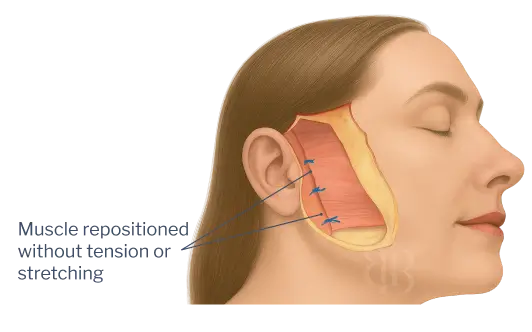
The muscle is folded to mimic lift, but without releasing deeper attachments, results may look less natural.
The muscle is repositioned to its original location without pulling or folding, preserving natural movement.

Excess skin is trimmed to smooth the surface, though some tightness may remain.
Excess skin is removed only after deep layers are set, giving a smooth, tension-free finish.
Facelift in Thailand Recovery Timeline
Days 1-3: Rest & Heal
- Swelling, bruising, and mild discomfort are normal.
- Keep your head elevated, use cold compresses, and take prescribed pain meds.
Days 4-7: Gradual Improvement
- Swelling peaks but starts to subside.
- Stitches may be removed around day 5-7.
- Avoid heavy lifting and strenuous activities.
Weeks 2-3: Back to Routine
- Bruising fades, and you can wear makeup.
- Light activities are fine, but no intense workouts yet.
- Protect your skin from the sun.
Weeks 4-6: Almost There!
- Most swelling is gone; results look more natural.
- Light exercise can resume.
- Continue scar care for best healing.
Months 3-6: Final Results
- Face is fully healed, and scars fade.
- Maintain a healthy lifestyle to preserve results.
Why Patients Choose Beauty Butler for Their Facelift
A facelift is one of the most significant decisions a person can make. The surgeon matters enormously — but so does the quality of support around you, especially when you are travelling from the other side of the world.
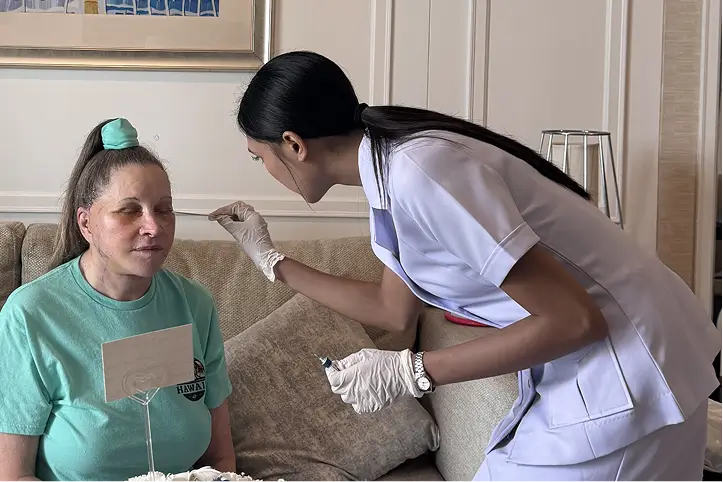
Every patient works with a dedicated coordinator who manages everything from start to finish — surgeon consultation, hospital, accommodation, transfers, and aftercare. Before you travel, your package is confirmed with full itemised pricing, no surprises. When you arrive in Bangkok, we meet you at the airport. During recovery, our nurses visit you at your hotel. And after you return home, we stay in contact — follow-up consultations with your surgeon can be arranged whenever needed.
Patients who have been through a facelift with us tell us consistently that the aftercare made the experience. Knowing someone was there — in hospital, during recovery, and back home if needed — made all the difference.
A facelift is one of the most significant decisions a person can make. The surgeon matters enormously — but so does the quality of support around you, especially when you are travelling from the other side of the world.
Every patient works with a dedicated coordinator who manages everything from start to finish — surgeon consultation, hospital, accommodation, transfers, and aftercare. Before you travel, your package is confirmed with full itemised pricing, no surprises. When you arrive in Bangkok, we meet you at the airport. During recovery, our nurses visit you at your hotel. And after you return home, we stay in contact — follow-up consultations with your surgeon can be arranged whenever needed.
Patients who have been through a facelift with us tell us consistently that the aftercare made the experience. Knowing someone was there — in hospital, during recovery, and back home if needed — made all the difference.
Facelift
Hospital stay: 1-2 nights
Duration of stay: 2 weeks
Recovery Time: 1–3 weeks for initial recovery; full results typically visible in 6–12 months


Facelift in Thailand
A facelift does not change who you are. It restores the version of you that has always been there. When done well, the result is not a different face — it is your face, refreshed and rested.
Many clients who come to us have been thinking about this for a long time. By the time they reach us, the question is no longer whether — it is how to do it safely, with the right surgeon, and with proper support around them. That is exactly what we provide.
A facelift does not change who you are. It restores the version of you that has always been there. When done well, the result is not a different face — it is your face, refreshed and rested.
Many clients who come to us have been thinking about this for a long time. By the time they reach us, the question is no longer whether — it is how to do it safely, with the right surgeon, and with proper support around them. That is exactly what we provide.
What is a Facelift?
A facelift — medically known as a rhytidectomy — is a surgical procedure that lifts and tightens the skin and deeper muscle layers of the face. It addresses sagging skin, jowls, deep folds around the mouth, and loss of definition along the jawline and neck.
Unlike non-surgical treatments, a facelift produces lasting structural change. Results typically hold for 10 years or more, depending on the technique used and how the skin ages naturally over time.
A facelift — medically known as a rhytidectomy — is a surgical procedure that lifts and tightens the skin and deeper muscle layers of the face. It addresses sagging skin, jowls, deep folds around the mouth, and loss of definition along the jawline and neck.
Unlike non-surgical treatments, a facelift produces lasting structural change. Results typically hold for 10 years or more, depending on the technique used and how the skin ages naturally over time.
Types of Facelift Available in Thailand
SMAS Facelift
Best for moderate to significant sagging in the mid to lower face, deep nasolabial folds, and jowls.
The SMAS facelift lifts and tightens the Superficial Musculoaponeurotic System — the deep muscle layer beneath the skin — repositioning it for a natural, long-lasting result. It is the most widely performed facelift technique and delivers reliable, consistent rejuvenation.
- Recovery: Most patients return to normal activities in 10 – 14 days, with full healing in 3 – 6 months
- Results last: Up to 10 years
- Price: THB 165,000 – 297,000 (~USD 5,000 – 9,000)
Deep Plane Facelift
Best for more significant facial sagging, deep wrinkles, and volume loss in the midface.
The deep plane facelift releases the ligaments that anchor the face, allowing skin and muscle to be lifted together as one unit. The face is repositioned — not just pulled — which produces a more natural result with less surface tension and longer-lasting effects.
- Recovery: Initial swelling settles in 2 – 3 weeks, with full healing in 3 – 6 months
- Results last: 10 – 15 years
- Price: THB 215,000 – 396,000 (~USD 6,500 – 12,000)
Mini Facelift
Best for patients in their 40s to early 50s with mild skin laxity and early signs of ageing along the lower face and jawline.
A less invasive approach using smaller incisions to lift and tighten the lower face. Recovery is faster, scarring is minimal, and the result is a natural, refreshed appearance — without anything looking overdone.
- Recovery: Most patients resume normal activities in 5 – 7 days
- Price: THB 120,000 – 200,000 (~USD 3,500 – 6,000)
SMAS Facelift
Best for moderate to significant sagging in the mid to lower face, deep nasolabial folds, and jowls.
The SMAS facelift lifts and tightens the Superficial Musculoaponeurotic System — the deep muscle layer beneath the skin — repositioning it for a natural, long-lasting result. It is the most widely performed facelift technique and delivers reliable, consistent rejuvenation.
- Recovery: Most patients return to normal activities in 10 – 14 days, with full healing in 3 – 6 months
- Results last: Up to 10 years
- Price: THB 165,000 – 297,000 (~USD 5,000 – 9,000)
Deep Plane Facelift
Best for more significant facial sagging, deep wrinkles, and volume loss in the midface.
The deep plane facelift releases the ligaments that anchor the face, allowing skin and muscle to be lifted together as one unit. The face is repositioned — not just pulled — which produces a more natural result with less surface tension and longer-lasting effects.
- Recovery: Initial swelling settles in 2 – 3 weeks, with full healing in 3 – 6 months
- Results last: 10 – 15 years
- Price: THB 215,000 – 396,000 (~USD 6,500 – 12,000)
Mini Facelift
Best for patients in their 40s to early 50s with mild skin laxity and early signs of ageing along the lower face and jawline.
A less invasive approach using smaller incisions to lift and tighten the lower face. Recovery is faster, scarring is minimal, and the result is a natural, refreshed appearance — without anything looking overdone.
- Recovery: Most patients resume normal activities in 5 – 7 days
- Price: THB 120,000 – 200,000 (~USD 3,500 – 6,000)
Which Facelift Is Right for You?
The right technique depends on your age, the degree of skin laxity, and your goals. Your surgeon will assess this during your consultation and give you a clear recommendation — not a menu of options to figure out yourself.
As a general guide: patients in their 40s with mild loosening typically do very well with a mini facelift. Those in their 50s or 60s with more significant sagging tend to get the most from a SMAS or deep plane approach. Your surgeon will explain exactly why they are recommending one technique over another, so you have full clarity before making any decision.
The right technique depends on your age, the degree of skin laxity, and your goals. Your surgeon will assess this during your consultation and give you a clear recommendation — not a menu of options to figure out yourself.
As a general guide: patients in their 40s with mild loosening typically do very well with a mini facelift. Those in their 50s or 60s with more significant sagging tend to get the most from a SMAS or deep plane approach. Your surgeon will explain exactly why they are recommending one technique over another, so you have full clarity before making any decision.
What’s the Difference Between a SMAS and a Deep Plane Facelift?
SMAS
vs.
Deep Plane
The SMAS layer is lifted, but ligaments are left intact, limiting mobility and creating tension.
Ligaments are fully released, allowing deep structures and skin to be lifted as one unit.
The muscle is folded to mimic lift, but without releasing deeper attachments, results may look less natural.
The muscle is repositioned to its original location without pulling or folding, preserving natural movement.
Excess skin is trimmed to smooth the surface, though some tightness may remain.
Excess skin is removed only after deep layers are set, giving a smooth, tension-free finish.
Facelift in Thailand Recovery Timeline
Days 1-3: Rest & Heal
- Swelling, bruising, and mild discomfort are normal.
- Keep your head elevated, use cold compresses, and take prescribed pain meds.
Days 4-7: Gradual Improvement
- Swelling peaks but starts to subside.
- Stitches may be removed around day 5-7.
- Avoid heavy lifting and strenuous activities.
Weeks 2-3: Back to Routine
- Bruising fades, and you can wear makeup.
- Light activities are fine, but no intense workouts yet.
- Protect your skin from the sun.
Weeks 4-6: Almost There!
- Most swelling is gone; results look more natural.
- Light exercise can resume.
- Continue scar care for best healing.
Months 3-6: Final Results
- Face is fully healed, and scars fade.
- Maintain a healthy lifestyle to preserve results.
Why Patients Choose Beauty Butler for Their Facelift
A facelift is one of the most significant decisions a person can make. The surgeon matters enormously — but so does the quality of support around you, especially when you are travelling from the other side of the world.
Every patient works with a dedicated coordinator who manages everything from start to finish — surgeon consultation, hospital, accommodation, transfers, and aftercare. Before you travel, your package is confirmed with full itemised pricing, no surprises. When you arrive in Bangkok, we meet you at the airport. During recovery, our nurses visit you at your hotel. And after you return home, we stay in contact — follow-up consultations with your surgeon can be arranged whenever needed.
Patients who have been through a facelift with us tell us consistently that the aftercare made the experience. Knowing someone was there — in hospital, during recovery, and back home if needed — made all the difference.
A facelift is one of the most significant decisions a person can make. The surgeon matters enormously — but so does the quality of support around you, especially when you are travelling from the other side of the world.
Every patient works with a dedicated coordinator who manages everything from start to finish — surgeon consultation, hospital, accommodation, transfers, and aftercare. Before you travel, your package is confirmed with full itemised pricing, no surprises. When you arrive in Bangkok, we meet you at the airport. During recovery, our nurses visit you at your hotel. And after you return home, we stay in contact — follow-up consultations with your surgeon can be arranged whenever needed.
Patients who have been through a facelift with us tell us consistently that the aftercare made the experience. Knowing someone was there — in hospital, during recovery, and back home if needed — made all the difference.
Discover Our Package Deals
(Pricing based on mid and lower facelift)
Surgery Only
from THB 179,000 (∼USD 5,500)
Ideal for a stress-free experience

What's included
- Pre-surgery health check
- 1-night private hospital room with nursing care
- Modern hospital facilities & operating room
- Quality meals during stay
- Post-surgery medication
- Post-op compression garment
- Free WiFi and a Thailand travel eSIM

Comfort Package
from THB 217,500 (∼USD 6,700)
Relax and recover in comfort
What's included
Everything in the Surgery Only Package, PLUS:
- 11 nights - 5 star hotel stay for a peaceful recovery
- Nurse visits at your hotel
- Daily breakfast included at the hotel
- All transfers (Airport, Hotel, Hospital)
- Support person +500 THB/ night

Solo Traveller
from THB 239,000 (∼USD 7,400)
Feel cared for 24/7, even on your own
What's included
Everything in the Comfort Package, PLUS:
- Extended hospital stay
- Optional caretaker stay with you at the hotel after discharge
- Regular nurse visits at your hotel during recovery
- All transfers included (Airport, Hotel, Hospital)
- Breakfast and dinner included

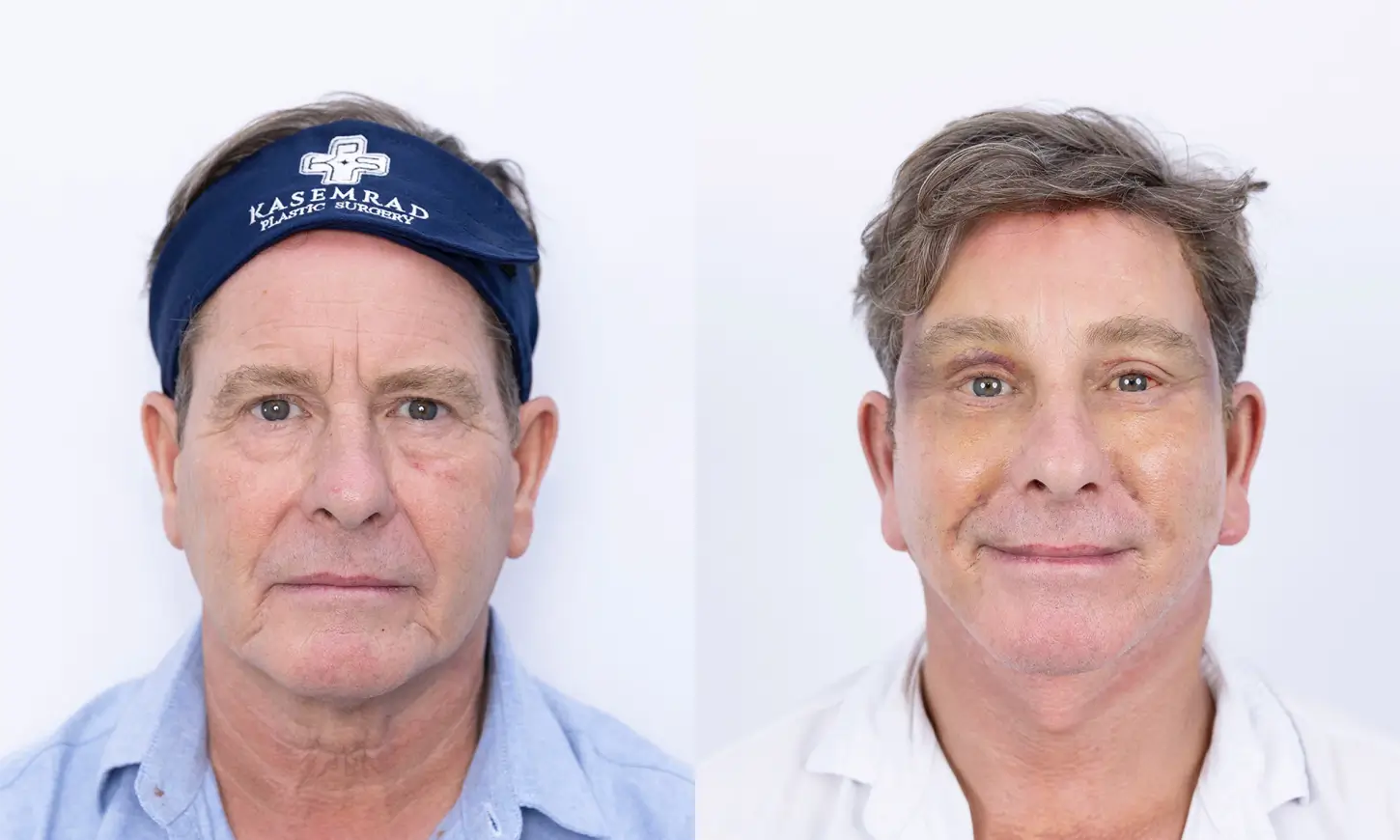
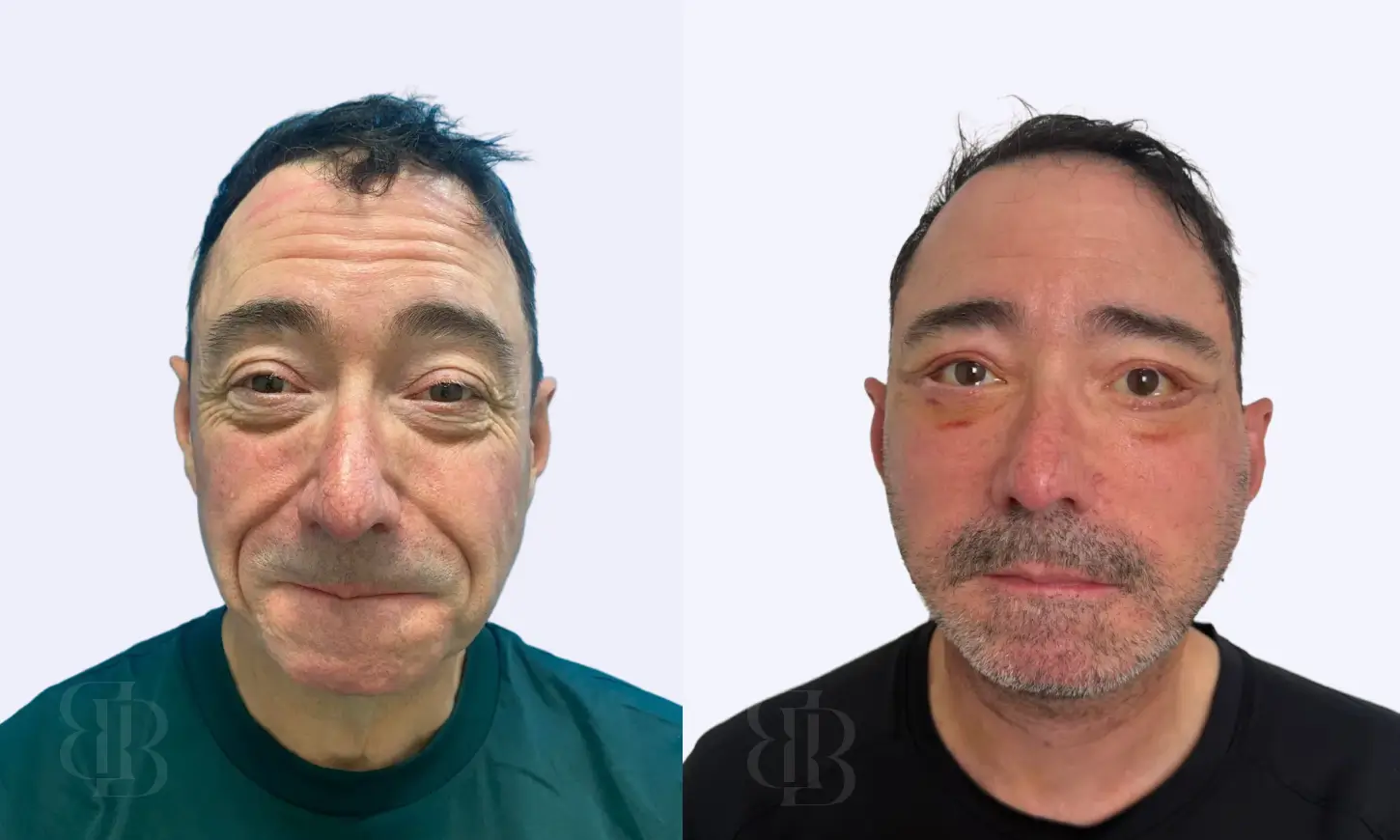
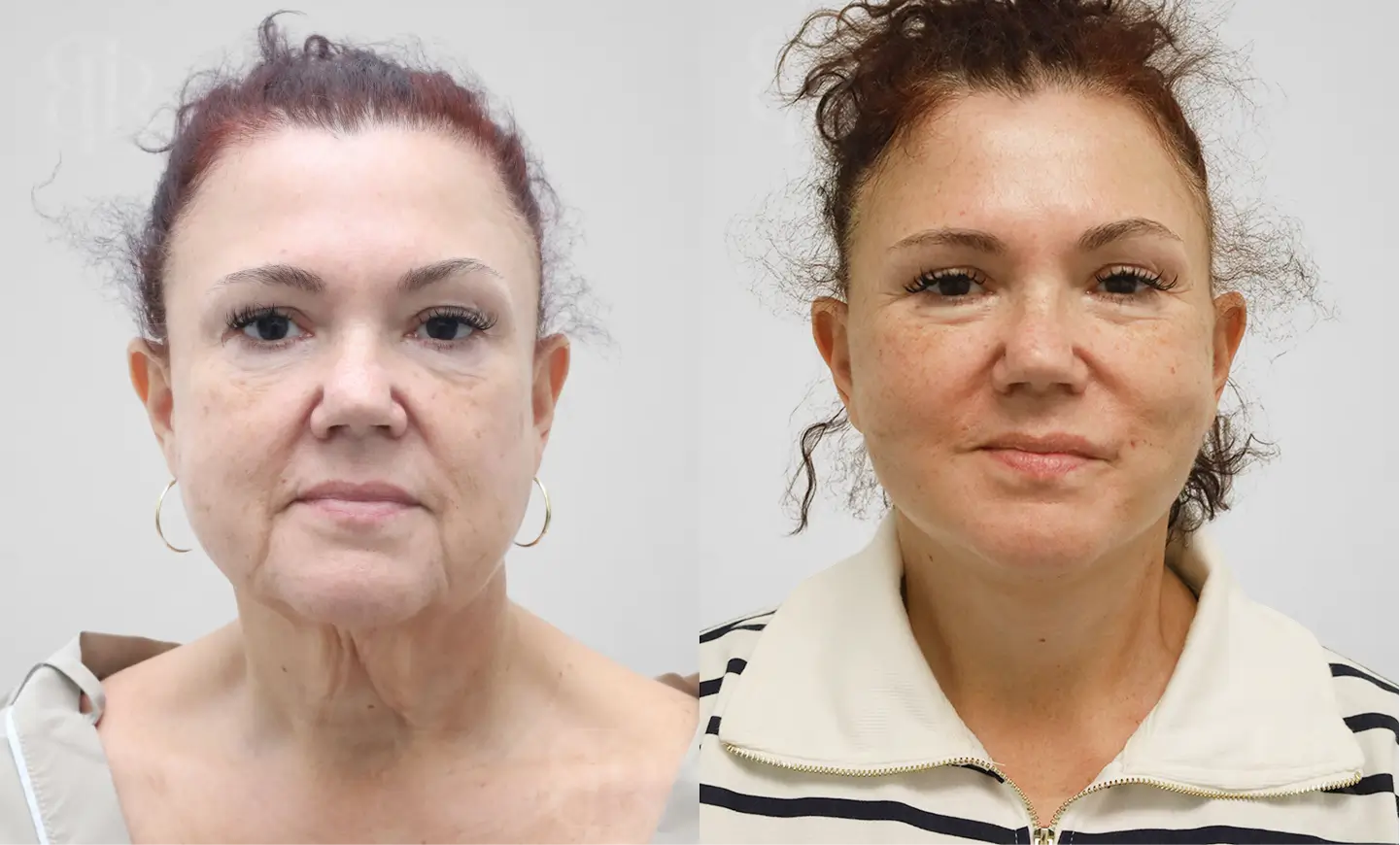
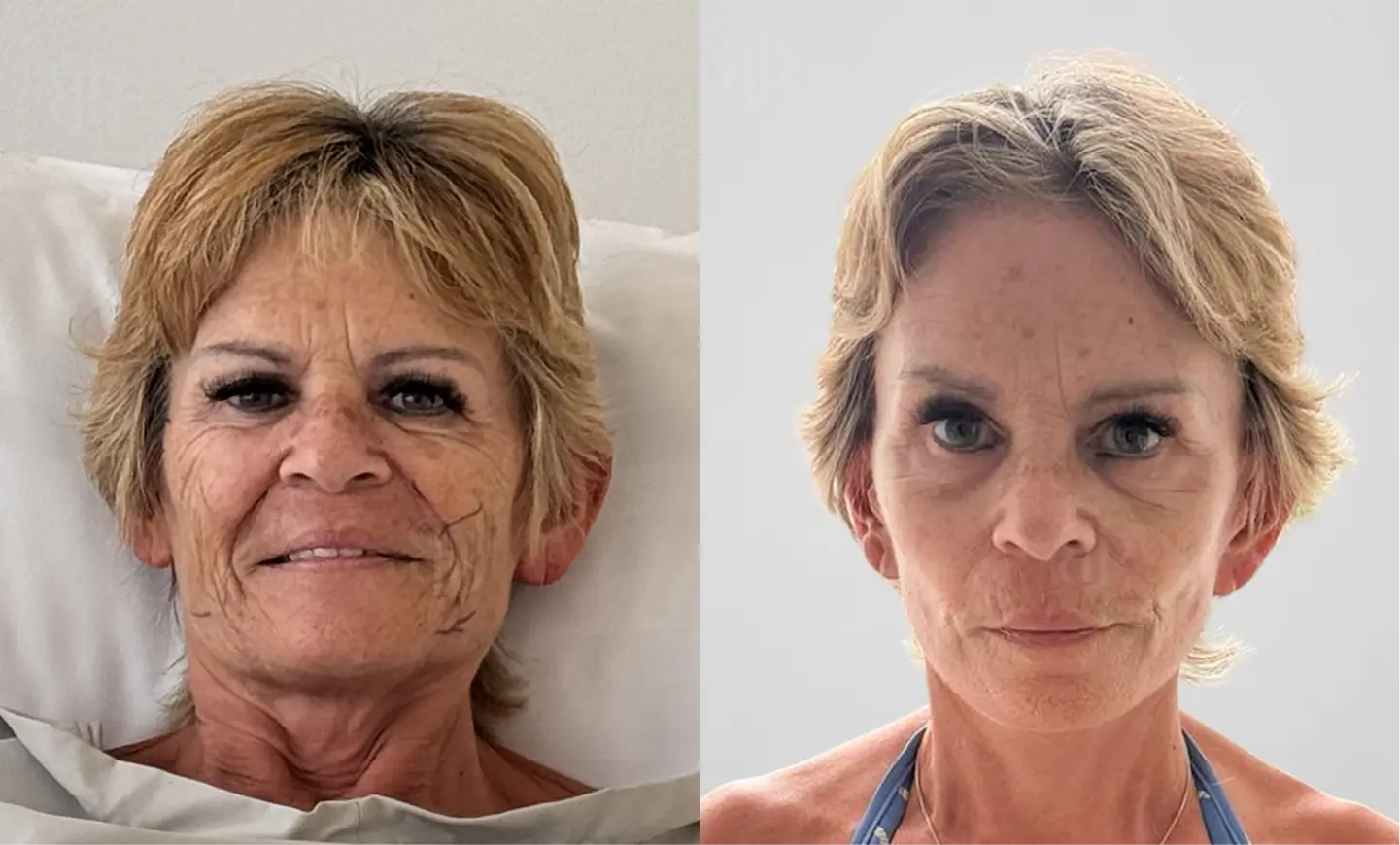
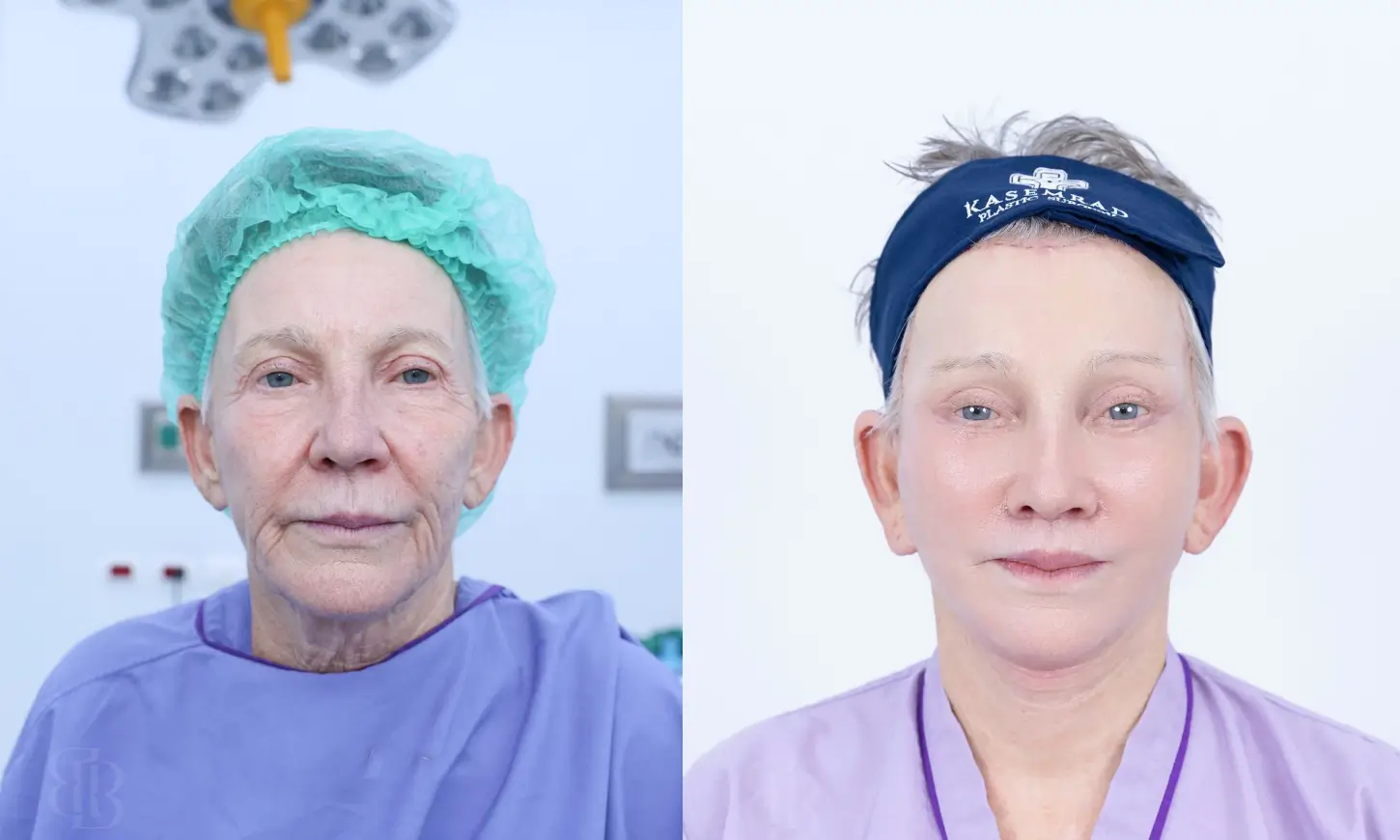
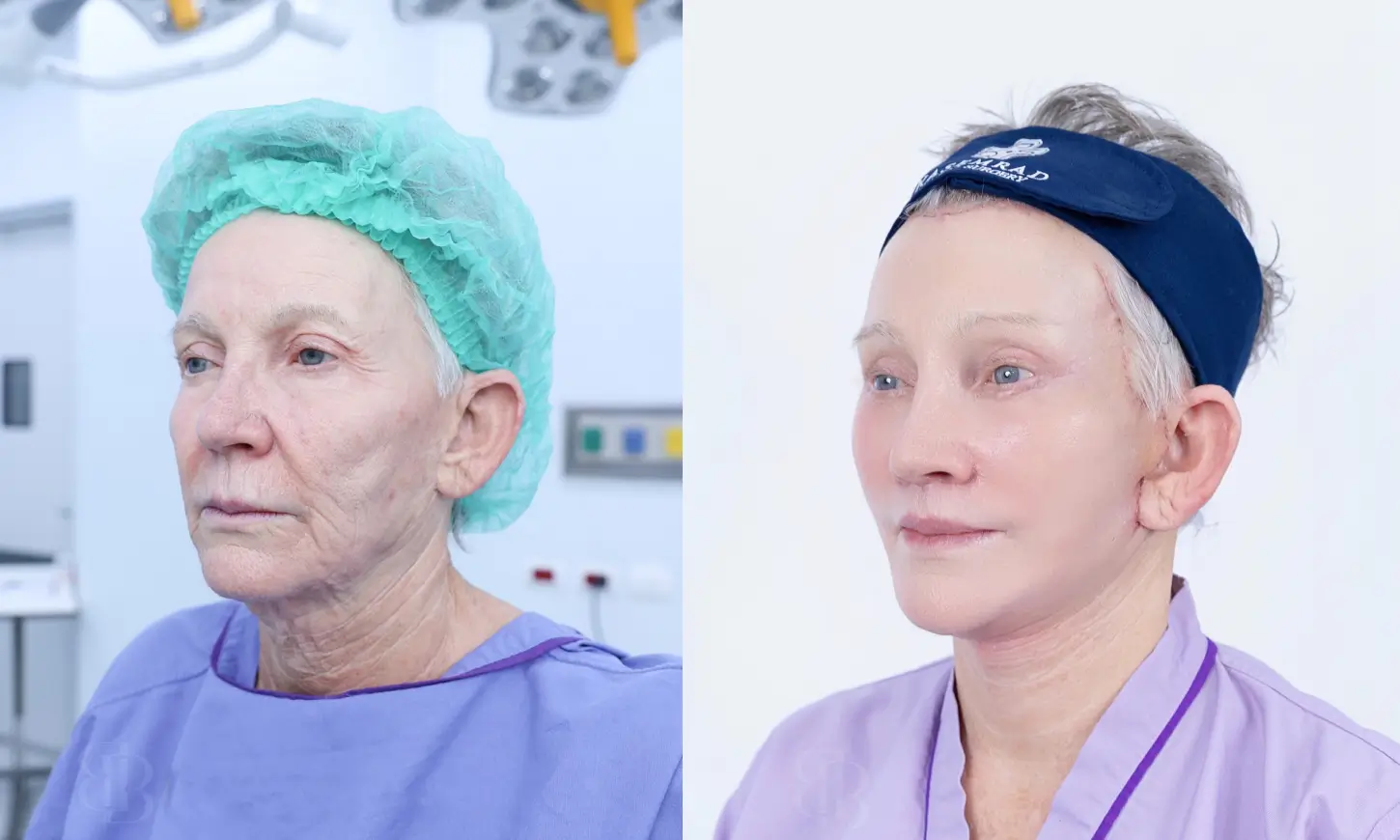
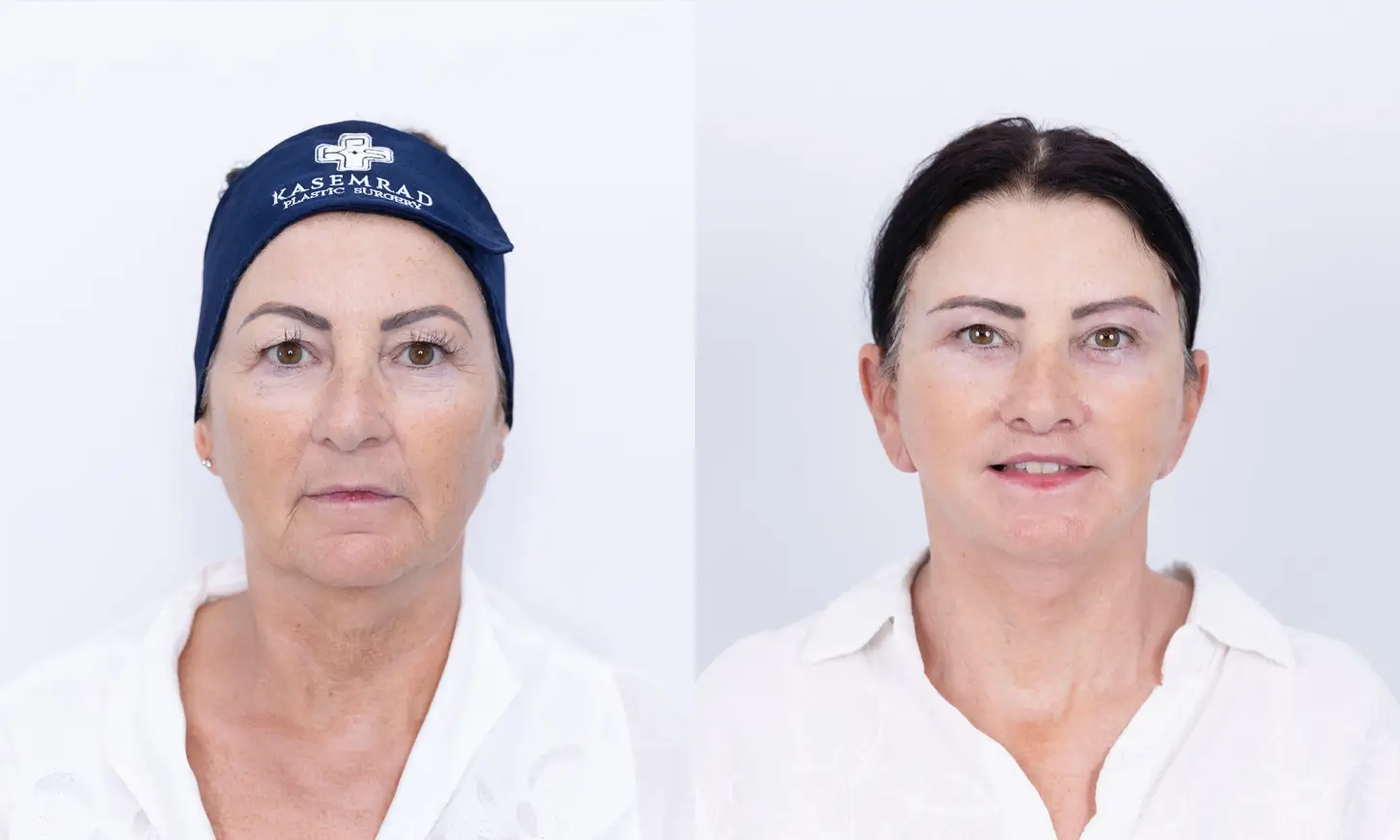
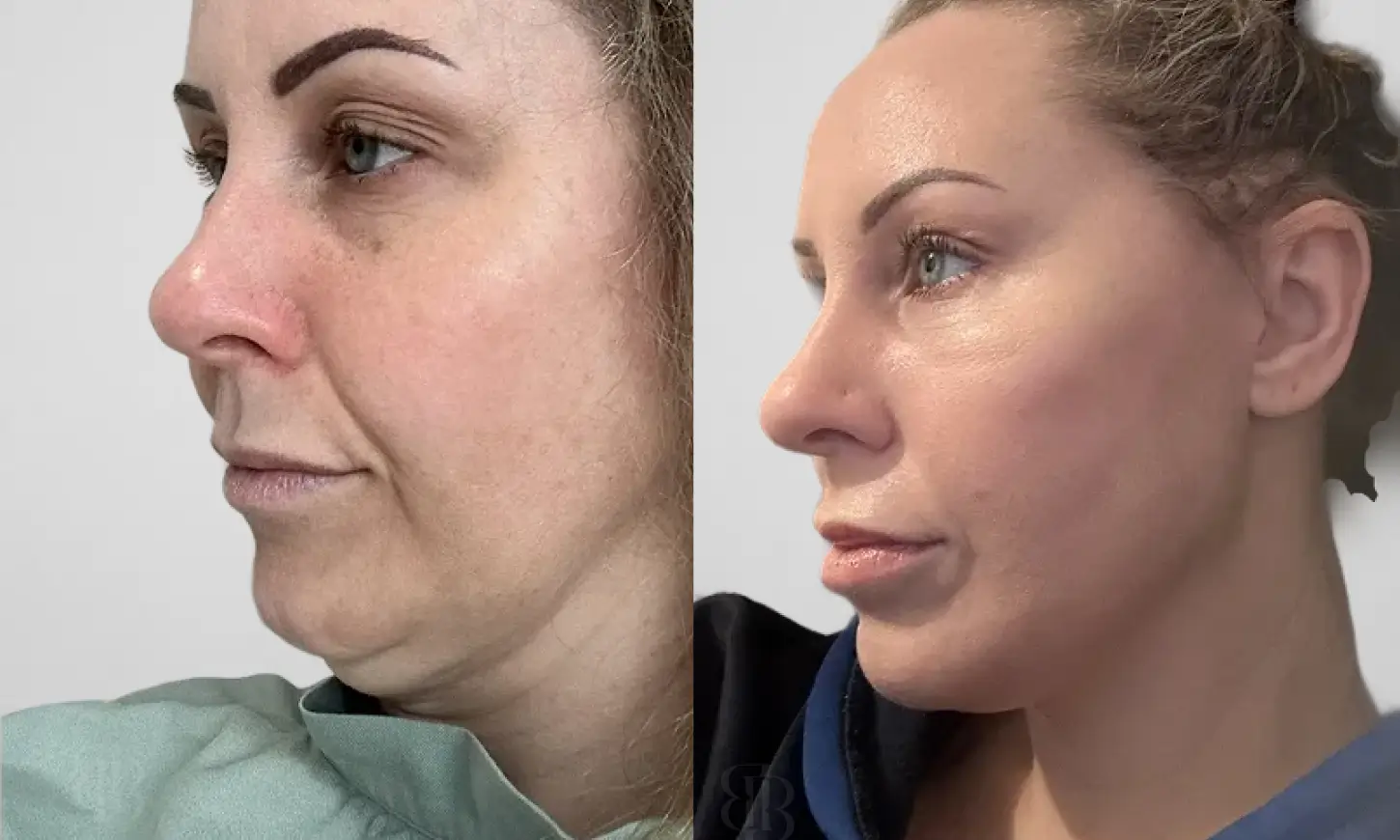
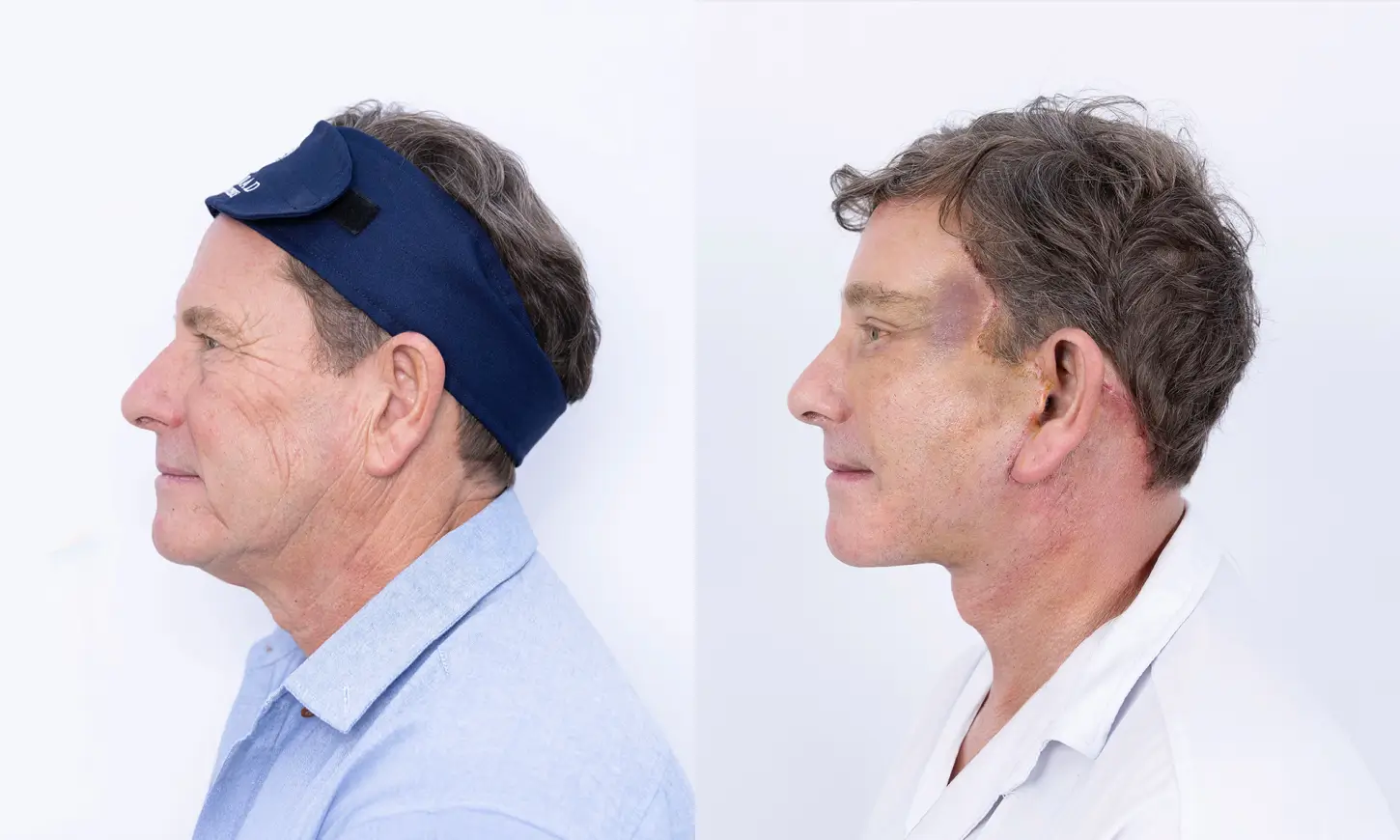
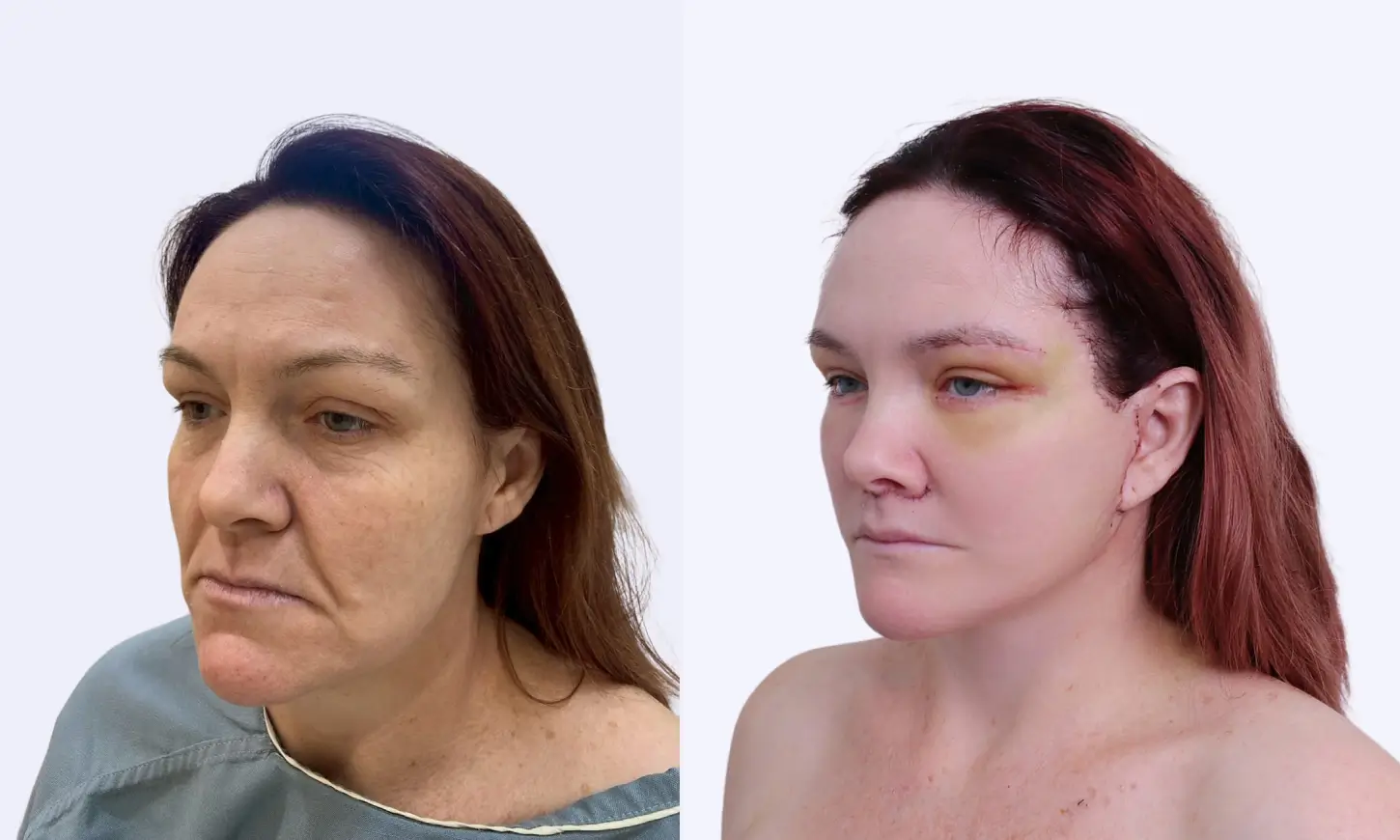
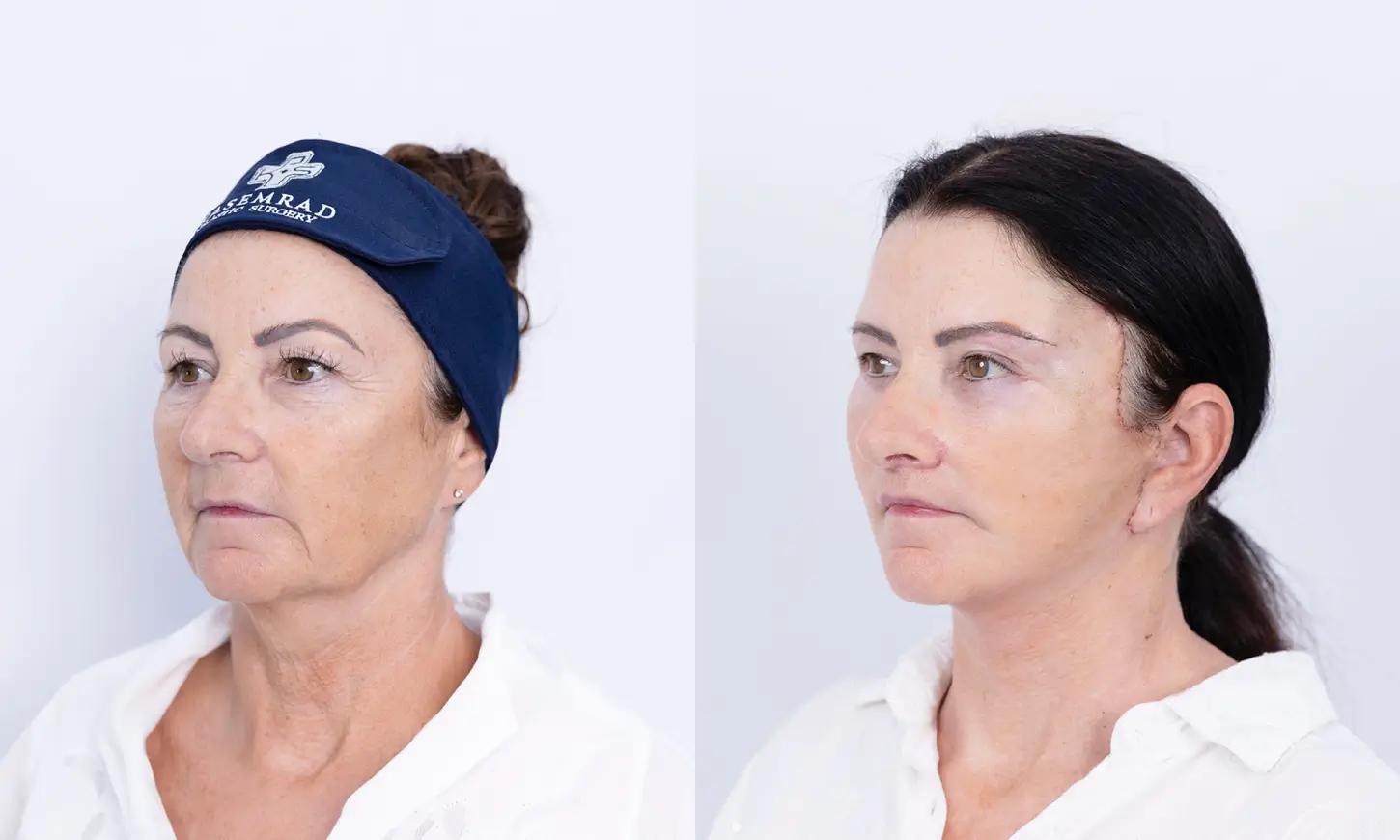
Before & After

OUR PROCESS
Talk To Us
.webp)

Get Your Plan
.webp)
Enjoy Your
Journey
.webp)
Treatment
.webp)
Happy Client
.webp)






FAQ – Everything You Need to Know About Facelift in Thailand
Your Journey, Your Glow: Blog Reads Just for You

.webp)


.jpg)



All Rights Reserved.
